Credit: Pixabay/CC0 Public Domain
Nov. 22, 2025
A new analysis published in the journal BioScience challenges conventional conservation approaches by demonstrating that traditional livestock grazing on rangelands represents a crucial but often overlooked strategy for protecting global biodiversity.
Dr. David D. Briske of Texas A&M University and colleagues argue that rangelands harbor far more biodiversity than is recognized in international conservation frameworks. "Sixty-seven percent of biodiversity hotspots and 38% of key biodiversity areas globally include rangelands, but international conventions seldom recognize this vast biodiversity repository," the authors write.
Rangelands cover 54% of Earth's land surface and support the livelihoods of approximately 500 million people. Despite these landscapes' vast extent, only 12% of rangelands receive formal protection, leaving countless resident species unprotected.
The authors describe four key synergies between pastoralism and biodiversity conservation: working lands conservation that complements existing protected areas, the continuation of vital disturbance regimes through grazing and fire, connectivity through traditional migration corridors, and community-led governance systems that use local knowledge to maintain biodiversity and ecological function. Notably, the authors emphasize that "rangelands represent approximately 50% of Earth's remaining ecologically intact ecosystems."
(more)

www.malaymail.com/news/world/2026/01/11/bomb-attac…

BANGKOK, Jan 11 — A series of late-night bomb attacks targeted 11 PTT petrol stations in Thailand’s southern border provinces of Narathiwat, Pattani and Yala…
www.khaama.com/at-least-eight-refugees-die-37-resc…

At least eight refugees died and 37 were rescued when their boat sank off Badmeli near Izmir, Turkish authorities said on Saturday.
katu.com/news/local/oregon-confirms-first-measles-…

Health officials in Oregon have confirmed the state's first measles cases of 2026, with two people diagnosed in Linn County.
abc11.com/post/measles-north-carolina-state-report…
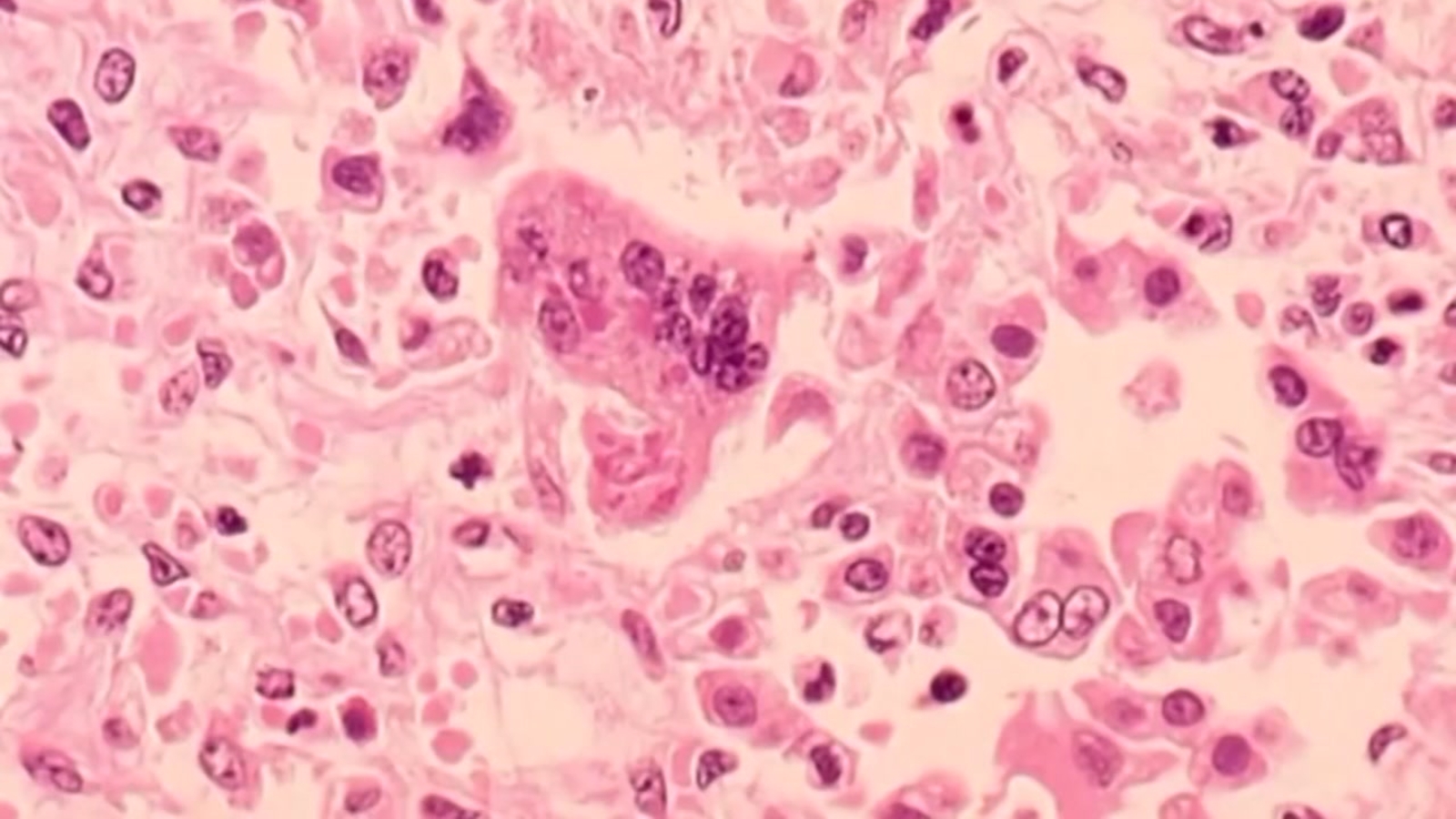
Measles in North Carolina: State reports 5th case linked to South Carolina surge