As President Bush heads south for a seven-day trip to counter the populist political tide in Latin America, he'll discover that Washington's influence has collapsed and is not likely to recover.
By Mark Weisbrot -- McClatchy-Tribune Information Services
March 6, 2007 -- As President Bush heads south for a seven-day trip to counter the populist political tide in Latin America, he'll discover that Washington's influence has collapsed and is not likely to recover.
State of Denial" is the title of Bob Woodward's famous book on the Bush team's road to disaster in Iraq, but it would have served just as well for a description of their Latin America policy. This week President Bush heads South for a seven-day, five country, trip to Latin America to see if he can counter the populist political tide that has brought left governments to about half the population of the region.Carrying vague promises of a joint effort on ethanol production -- but no offer to lower tariffs protecting the U.S. market -- President Bush hopes to entice Brazil into taking his side against his nemesis, President Hugo Chavez of Venezuela. This is a fantasy.President Lula da Silva of Brazil made a point of visiting Venezuela for his first foreign trip after being re-elected last October. There he presided over the dedication of a $1.2 billion bridge over the Orinoco river, financed by the Brazilian government, while he lavished praise on Chavez and gave the popular Venezuelan president an added boost in his own re-election campaign.
The Bush Administration's policy of trying to isolate Venezuela from its neighbors has only succeeded in isolating Washington. Last week President Nestor Kirchner of Argentina, speaking in Caracas, flatly rejected the notion that Argentina or Brazil should "contain President Chavez," who he called "a brother and a friend." In another thinly-veiled swipe at Washington, Kirchner said: "It cannot be that it bothers anyone that our nations become integrated." At the same time he announced that Venezuela and Argentina will jointly issue a "Bond of the South" for $1.5 billion.
If Washington is in denial about the political reality of Latin America, it is even more in denial about the economics. For twenty-five years our government has pushed a series of reforms throughout the region: tighter fiscal and monetary policies, more independent central banks, indiscriminate opening to international trade and investment, privatization of public enterprises, and the abandonment of economic development strategies and industrial policies. The Bush team thinks that these reforms, known as "neoliberalism" in Latin America, were just the right formula to stimulate economic growth.
more

www.malaymail.com/news/world/2026/01/11/bomb-attac…
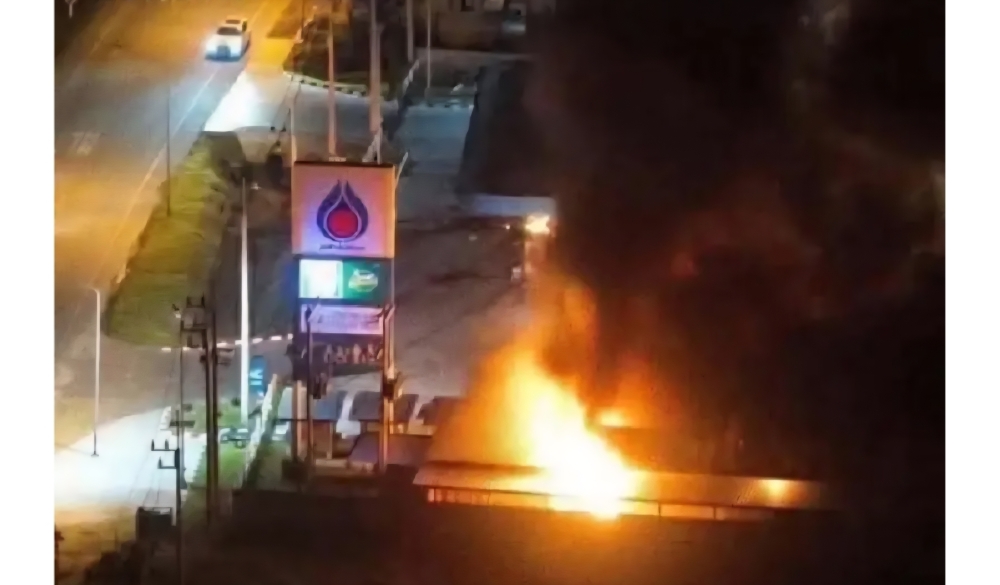
BANGKOK, Jan 11 — A series of late-night bomb attacks targeted 11 PTT petrol stations in Thailand’s southern border provinces of Narathiwat, Pattani and Yala…
www.khaama.com/at-least-eight-refugees-die-37-resc…

At least eight refugees died and 37 were rescued when their boat sank off Badmeli near Izmir, Turkish authorities said on Saturday.
katu.com/news/local/oregon-confirms-first-measles-…

Health officials in Oregon have confirmed the state's first measles cases of 2026, with two people diagnosed in Linn County.
abc11.com/post/measles-north-carolina-state-report…
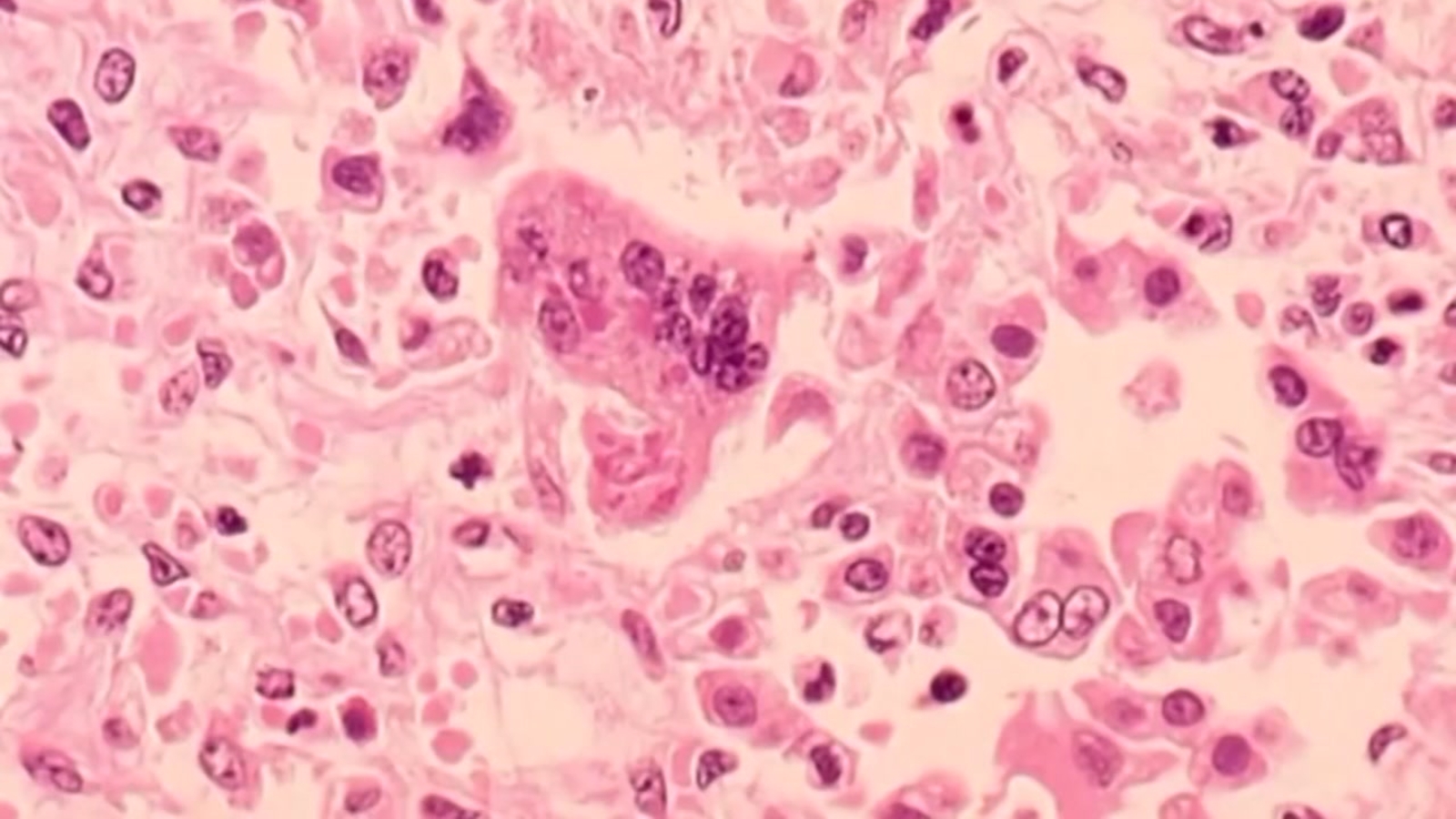
Measles in North Carolina: State reports 5th case linked to South Carolina surge