By Deceiving a Congressional Leader, Cheney Sent Us to War on False Pretenses and Violated the Separation of Powers, as Well as the Criminal Law
(Findlaw) -- Last year, Washington Post reporter Barton Gellman and Jo Baker, now of the New York Times, did an extensive series for the Post on Cheney. Now, Gellman has done some more digging, and published the result in a book he released this week: Angler: The Cheney Vice Presidency. The book reveals a lie told to a high-ranking fellow Republican, and the difference that lie made. In this column, I'll explain how Cheney defied the separation of powers, and go back to the founding history to show why actions like his matter so profoundly.
Cheney's Bold Face Lie To Congress
According to Gellman (and to paraphrase from the Post story on his finding), in the run-up to the war in Iraq, the White House was worried about the stance of Republican Majority Leader Richard Armey of Texas, who had deep concerns about going to war with Saddam Hussein. According to the Post, Armey met with Cheney for a highly classified, one-on-on briefing, in Room H-208, Cheney's luxurious hideaway office on the House side of the Capitol.
During this meeting, the Post reports, Cheney turned Armey around on the war issue. Cheney did so by telling the House Majority Leader that he was giving him information that the Administration could not tell the public -- namely (according to Armey), that Iraq had the "'ability to miniaturize weapons of mass destruction, particularly nuclear,' which had been 'substantially refined since the first Gulf War,' and would soon result in 'packages that could be moved even by ground personnel.' In addition, Cheney linked that threat to Saddam's alleged personal ties to al Qaeda, explaining that 'we now know they have the ability to develop these weapons in a very portable fashion, and they have a delivery system in their relationship with organizations such as al Qaeda.'"
The Post story continues, "Armey has asked: "Did Dick Cheney ... purposely tell me things he knew to be untrue?" His answer: "I seriously feel that may be the case...Had I known or believed then what I believe now, I would have publicly opposed [the war] resolution right to the bitter end, and I believe I might have stopped it from happening."
more

www.malaymail.com/news/world/2026/01/11/bomb-attac…
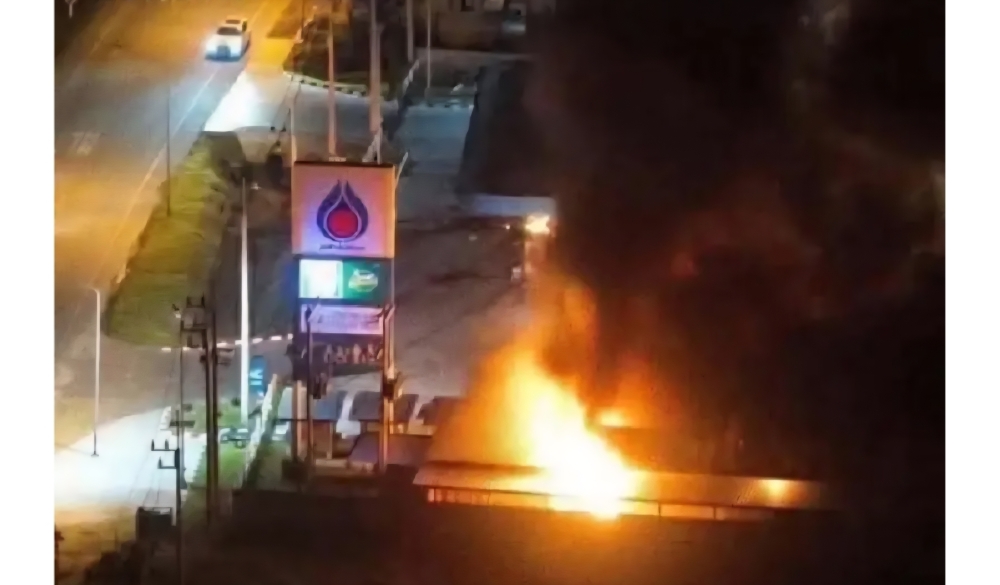
BANGKOK, Jan 11 — A series of late-night bomb attacks targeted 11 PTT petrol stations in Thailand’s southern border provinces of Narathiwat, Pattani and Yala…
www.khaama.com/at-least-eight-refugees-die-37-resc…

At least eight refugees died and 37 were rescued when their boat sank off Badmeli near Izmir, Turkish authorities said on Saturday.
katu.com/news/local/oregon-confirms-first-measles-…

Health officials in Oregon have confirmed the state's first measles cases of 2026, with two people diagnosed in Linn County.
abc11.com/post/measles-north-carolina-state-report…
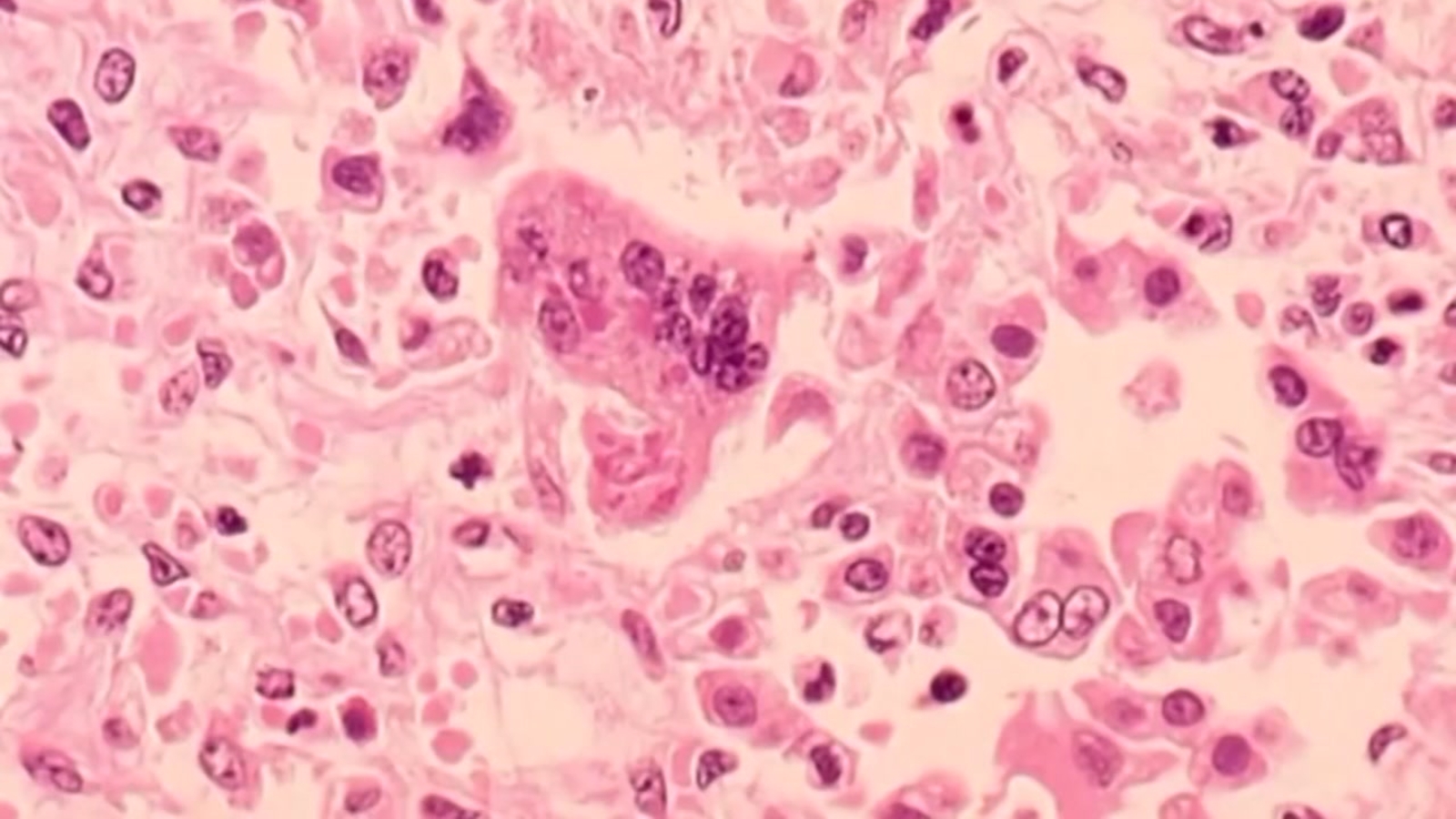
Measles in North Carolina: State reports 5th case linked to South Carolina surge