Psychological warfare is fast emerging as the key component of the conflict between Iran and the United States. It is being used extensively by the latter to influence Iranian behavior in Iraq and secure a climbdown by the Islamic Republic in the intricate negotiations over the country's controversial nuclear program.
By Mahan Abedin -- SaudiDebate
Feb. 22, 2007 -- Psychological warfare is fast emerging as the key component of the conflict between Iran and the United States. It is being used extensively by the latter to influence Iranian behavior in Iraq and secure a climbdown by the Islamic Republic in the intricate negotiations over the country's controversial nuclear program.
As the Iranians analyze and react to this carefully crafted psychological-warfare campaign, they run the risk of miscalculating broader developments in the region. The most important of these is Saudi Arabia's new proactive foreign policy. In this climate of heightened tensions and widespread misunderstanding it is easy for the Iranians to dismiss Saudi diplomacy as yet another plank of America's psychological warfare against the Islamic Republic. Miscalculations of this kind can have drastic long-term consequences for Iranian interests in the Middle East.
War of words
Psychological warfare has been a feature of Iranian-US relations since the 1979 Islamic Revolution. Both sides have made extensive use of it, not only to damage the morale of the other, but also as a way of managing the conflict and preventing it from escalating into a shooting war. But never has this psychological war been so intense and potentially dangerous as it is now. Given the unprecedented instability across the Middle East - with opposing factions allied either to Iran or to the US - there is a real danger of misunderstandings spinning out of control.
As always, it is the Americans who have ratcheted up the war of words, with the Iranians trying to come to terms with it.
more

www.malaymail.com/news/world/2026/01/11/bomb-attac…
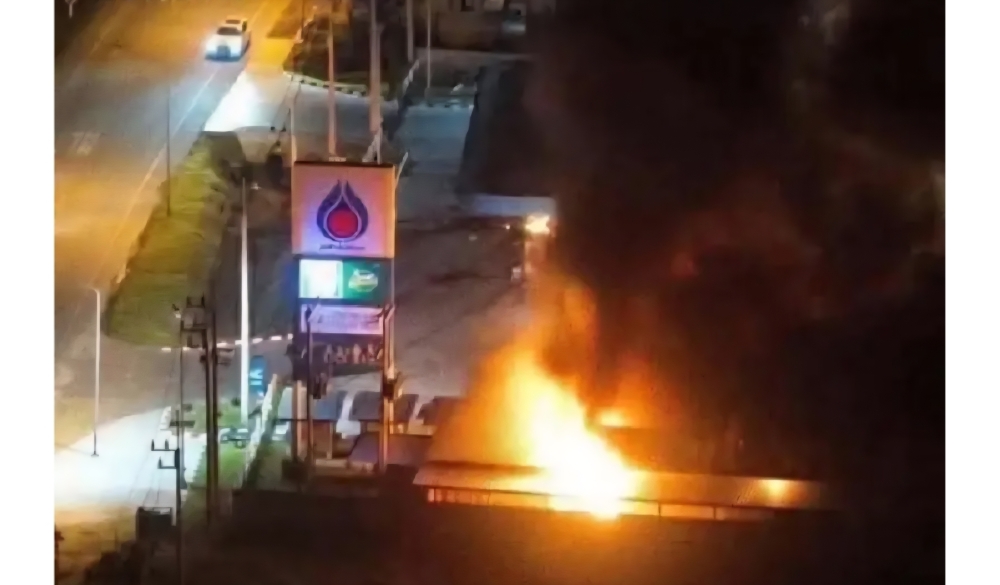
BANGKOK, Jan 11 — A series of late-night bomb attacks targeted 11 PTT petrol stations in Thailand’s southern border provinces of Narathiwat, Pattani and Yala…
www.khaama.com/at-least-eight-refugees-die-37-resc…

At least eight refugees died and 37 were rescued when their boat sank off Badmeli near Izmir, Turkish authorities said on Saturday.
katu.com/news/local/oregon-confirms-first-measles-…

Health officials in Oregon have confirmed the state's first measles cases of 2026, with two people diagnosed in Linn County.
abc11.com/post/measles-north-carolina-state-report…

Measles in North Carolina: State reports 5th case linked to South Carolina surge