Last month I blogged about a study that underlined how we truly are Two Americas (though the idea never gained traction for John Edwards this primary season). That study found that, since the early 1980s, death rates in wealthy counties of the United States have fallen—but those in poorer ones have stagnated or risen, despite the huge strides in disease prevention and treatment. Those are just not reaching the poor. Now another study uses a different proxy for “haves” or “have-nots”—education—and reaches another shameful conclusion: the gap in death rates between Americans with less than a high school education and college graduates has soared since 1993, they will report tomorrow in the May 14 issue of PLoS One. {xtypo_quote_left} Risk factors are higher in less well-educated groups, and they have
less access to preventive medicine and treatment,” says Ahmedin Jemal
of the American Cancer Society, who led the study. {/xtypo_quote_left} The scientists analyzed death certificates (which indicate the last year of schooling that the person completed, as well as cause of death) for blacks and whites between the ages of 25 and 64. The age cut-off was chosen because, for older generations, education is not as strong a proxy for socioeconomic status—class—as it is for younger ones.
The numbers are shocking. Among white men who did not graduate from high school, there were 837 deaths per 100,000 of them in 1993; that same year, only 285 white men with college degrees died per 100,000 in this age group. But it gets worse. In 2001, those respective rates were 931 and 213—the death rate for less-educated white men had risen, while that for college grads had fallen. Do the math: white men who did not graduate from high school were dying at a rate 2.9 times that of college grads in 1993—and at a rate 4.4 times higher in 2001. For black men, the comparable mortality rates were 2.1 times higher in 1993 and 3.4 times higher in 2001. For white women who never graduated from high school, the death rate was 422 per 100,000 in 1993, and for white women with a college degree it was 165. In 2001? It rose to 553 per 100,000 in the first group, and dropped to 146 in the highly-educated group. Breaking that down, the death rate from cancer among white women with only 12 years of education rose 1.1 percent per year during the period studied; for heart disease and stroke, it rose 1.8 percent per year among these women. All three of these diseases have become more preventable and more treatable—but, apparently, only for some.

www.malaymail.com/news/world/2026/01/11/bomb-attac…

BANGKOK, Jan 11 — A series of late-night bomb attacks targeted 11 PTT petrol stations in Thailand’s southern border provinces of Narathiwat, Pattani and Yala…
www.khaama.com/at-least-eight-refugees-die-37-resc…

At least eight refugees died and 37 were rescued when their boat sank off Badmeli near Izmir, Turkish authorities said on Saturday.
katu.com/news/local/oregon-confirms-first-measles-…

Health officials in Oregon have confirmed the state's first measles cases of 2026, with two people diagnosed in Linn County.
abc11.com/post/measles-north-carolina-state-report…
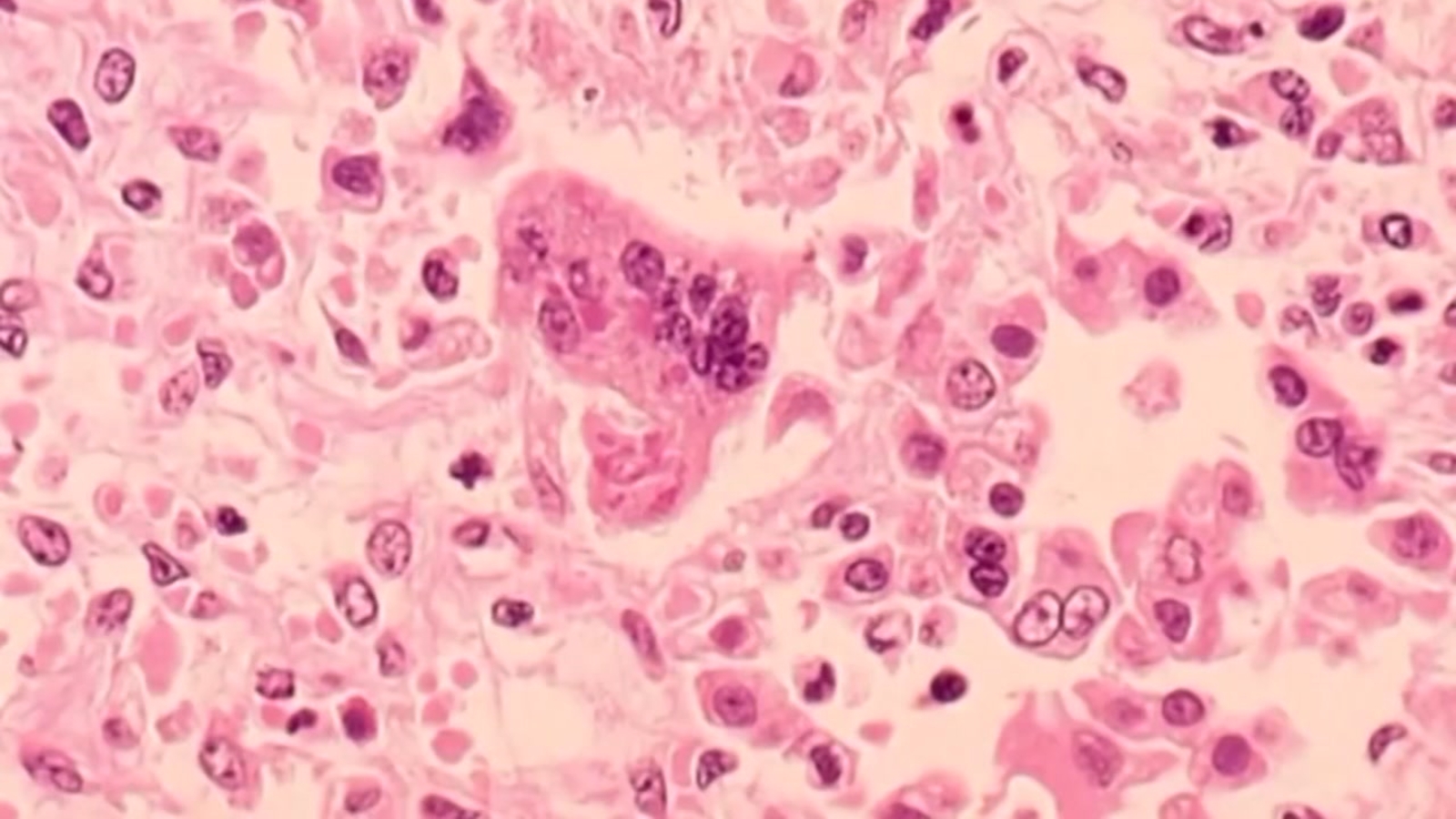
Measles in North Carolina: State reports 5th case linked to South Carolina surge