In a guest editorial, law professor and instapundit.com blogger Glenn Reynolds argues that overagressive tactics and surplus military gear have turned some police units into a dangerous menace.
BY Glenn Harlan Reynolds -- Popular Mechanics
Police look inward. They’re supposed to protect their fellow citizens from criminals, and to maintain order with a minimum of force.
It’s the difference between Audie Murphy and Andy Griffith. But nowadays, police are looking, and acting, more like soldiers than cops, with bad consequences. And those who suffer the consequences are usually innocent civilians. The trend toward militarizing police began in the ’60s and ’70s when standoffs with the Black Panthers, the Symbionese Liberation Army, and the University of Texas bell tower gunman Charles Whitman convinced many police departments that they needed more than .38 specials to deal with unusual, high-intensity threats. In 1965 Los Angeles inspector Daryl Gates, who later became police chief, signed off on the formation of a specially trained and equipped unit that he wanted to call the Special Weapons Attack Team. (The name was changed to the more palatable Special Weapons and Tactics). SWAT programs soon expanded beyond big cities with gang problems.
Abetting this trend was the federal government’s willingness to make surplus military equipment available to police and sheriffs’ departments. All sorts of hardware is available, from M-16s to body armor to armored personnel carriers and even helicopters. Lots of police departments grabbed the gear and started SWAT teams, even if they had no real need for them. The materiel was free, and it was fun. I don’t blame the police. Heck, if somebody gave me a Bradley Fighting Vehicle to play with, I’d probably start a SWAT team, too -- so long as I didn’t have to foot the maintenance bill.
more

www.malaymail.com/news/world/2026/01/11/bomb-attac…
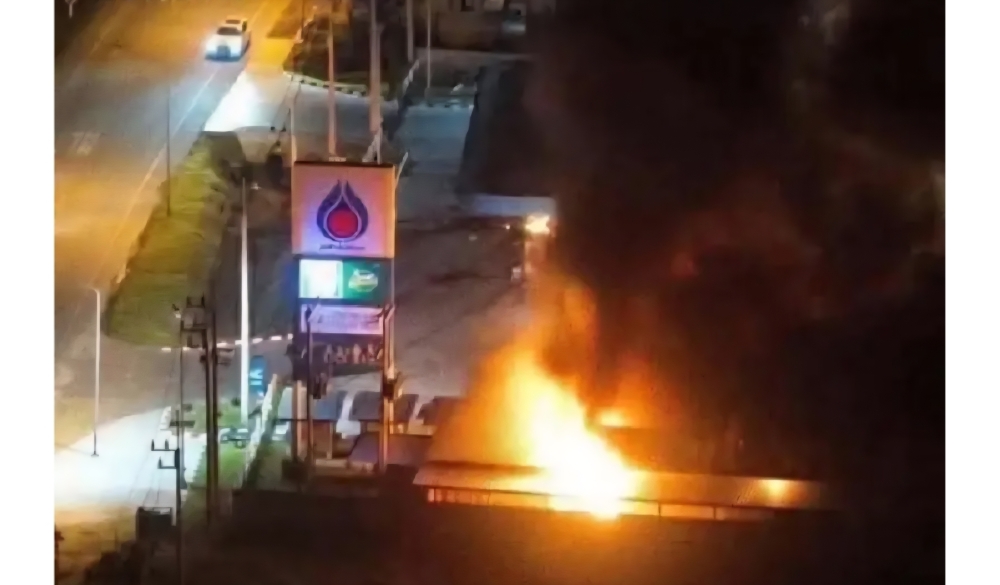
BANGKOK, Jan 11 — A series of late-night bomb attacks targeted 11 PTT petrol stations in Thailand’s southern border provinces of Narathiwat, Pattani and Yala…
www.khaama.com/at-least-eight-refugees-die-37-resc…

At least eight refugees died and 37 were rescued when their boat sank off Badmeli near Izmir, Turkish authorities said on Saturday.
katu.com/news/local/oregon-confirms-first-measles-…

Health officials in Oregon have confirmed the state's first measles cases of 2026, with two people diagnosed in Linn County.
abc11.com/post/measles-north-carolina-state-report…

Measles in North Carolina: State reports 5th case linked to South Carolina surge