Ministers from the Organization of Petroleum Exporting Countries postponed debate on a second cut in output in as many months during meetings in Cairo Nov. 29. They will wait until later this month, after a slump in global economies and the popping of the commodities bubble sent oil down almost $100 from its record price in July to as low as $48.25 a barrel in New York on Nov. 21. {xtypo_quote_right} Oil producers “do have leverage but it depends on how much unity they can muster up,” said Simon Wardell, an analyst at Global Insight Inc. in London. “They’re facing budget shortfalls, so a decline in output will hurt them even if it does push prices up.” {/xtypo_quote_right}
“They are riding the economic wave just like the rest of us,” Adam Sieminski, Deutsche Bank AG’s chief energy economist, said in a telephone interview in Washington. “In the past when there has been a big economic downturn, OPEC has had to go through a series of cuts to stabilize the oil market.”
They haven’t done enough this time around to halt the 67 percent drop. Merrill Lynch & Co., forecasting the first contraction in global demand in a quarter century, sees crude bottoming at an average $43 a barrel in the first quarter, 21 percent below where it ended last week. In December 1998, crude tumbled 61 percent from its peak to as low as $10.35 when OPEC failed to eliminate a supply glut.
more
Read More: Bloomberg

www.malaymail.com/news/world/2026/01/11/bomb-attac…

BANGKOK, Jan 11 — A series of late-night bomb attacks targeted 11 PTT petrol stations in Thailand’s southern border provinces of Narathiwat, Pattani and Yala…
www.khaama.com/at-least-eight-refugees-die-37-resc…

At least eight refugees died and 37 were rescued when their boat sank off Badmeli near Izmir, Turkish authorities said on Saturday.
katu.com/news/local/oregon-confirms-first-measles-…

Health officials in Oregon have confirmed the state's first measles cases of 2026, with two people diagnosed in Linn County.
abc11.com/post/measles-north-carolina-state-report…
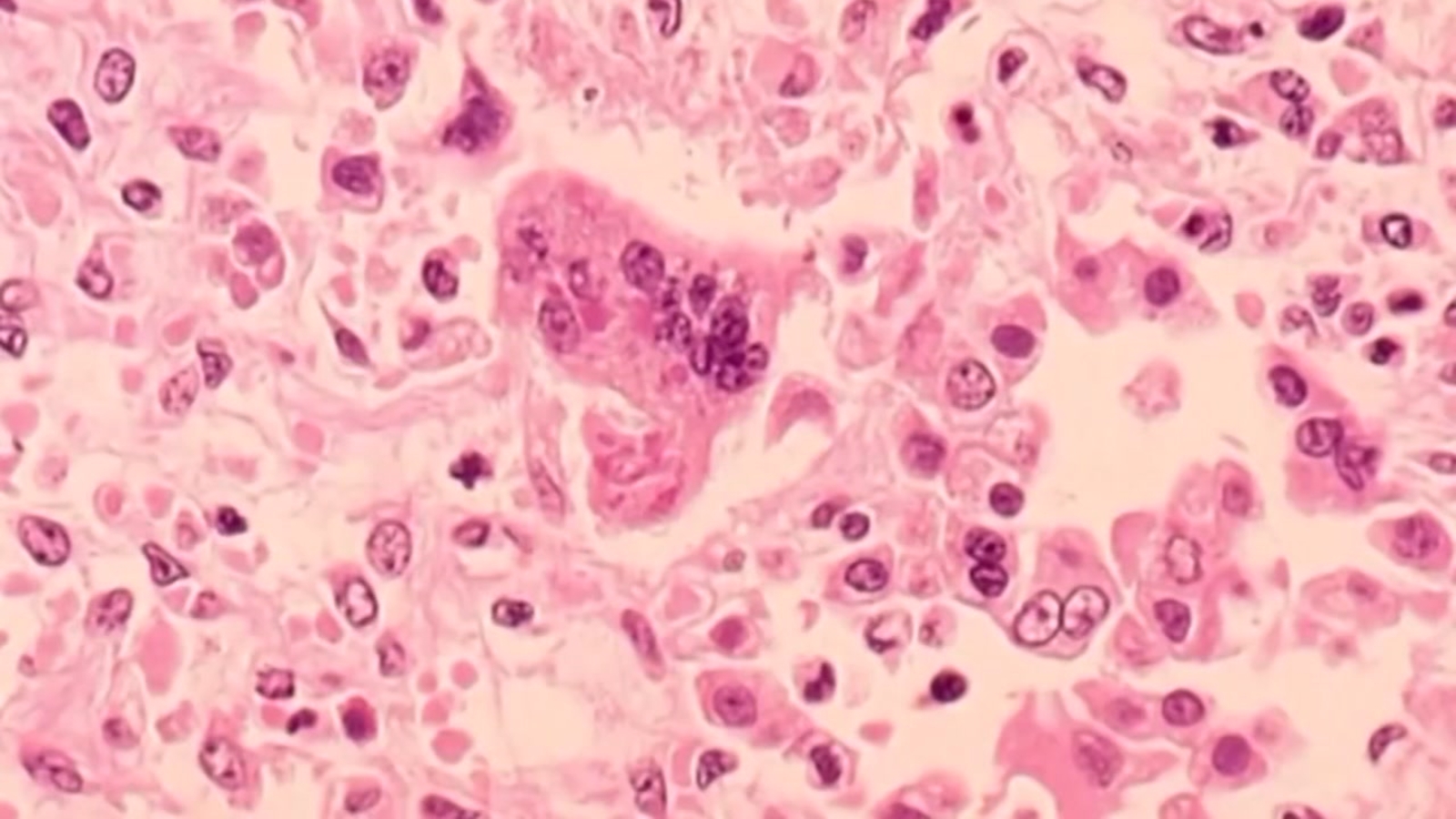
Measles in North Carolina: State reports 5th case linked to South Carolina surge