ScienCentral News
Nov. 16, 2006 -- Could a dangerous gas buildup at the bottom of the ocean bubble up and wipe out most life on Earth? According to some researchers, it already has done so; several times. As this ScienCentral story explains, scientists are worried that global warming is making conditions ripe for another deadly ocean burp.
Attack from Below
Scientists mostly agree that it was an object from space that crashed into Earth 65 million years ago, killing off much of the planet's life, including most of the dinosaurs. But geologists have found evidence of four other major mass extinctions and more than a dozen other smaller similar extinctions over the past 500 million years. In addition they've not found any corresponding evidence of a collision from an object from space.
Peter Ward, Biology and Earth and Space Sciences Professor at the University of Washington says, "Try as people would, they could not find evidence for impact other than at, really, the age of dinosaurs." Writing in Scientific American, Ward says instead that, "A new type of evidence reveals that the earth itself can, and probably did, exterminate its own inhabitants."
The killer is a type of bacteria that needs lots of sunlight but very little oxygen to thrive. It gives off the gas hydrogen sulfide, which even in small concentrations is lethal. People generally call the gas "sewer gas."
more
{mos_sb_discuss:2}

www.malaymail.com/news/world/2026/01/11/bomb-attac…

BANGKOK, Jan 11 — A series of late-night bomb attacks targeted 11 PTT petrol stations in Thailand’s southern border provinces of Narathiwat, Pattani and Yala…
www.khaama.com/at-least-eight-refugees-die-37-resc…

At least eight refugees died and 37 were rescued when their boat sank off Badmeli near Izmir, Turkish authorities said on Saturday.
katu.com/news/local/oregon-confirms-first-measles-…

Health officials in Oregon have confirmed the state's first measles cases of 2026, with two people diagnosed in Linn County.
abc11.com/post/measles-north-carolina-state-report…
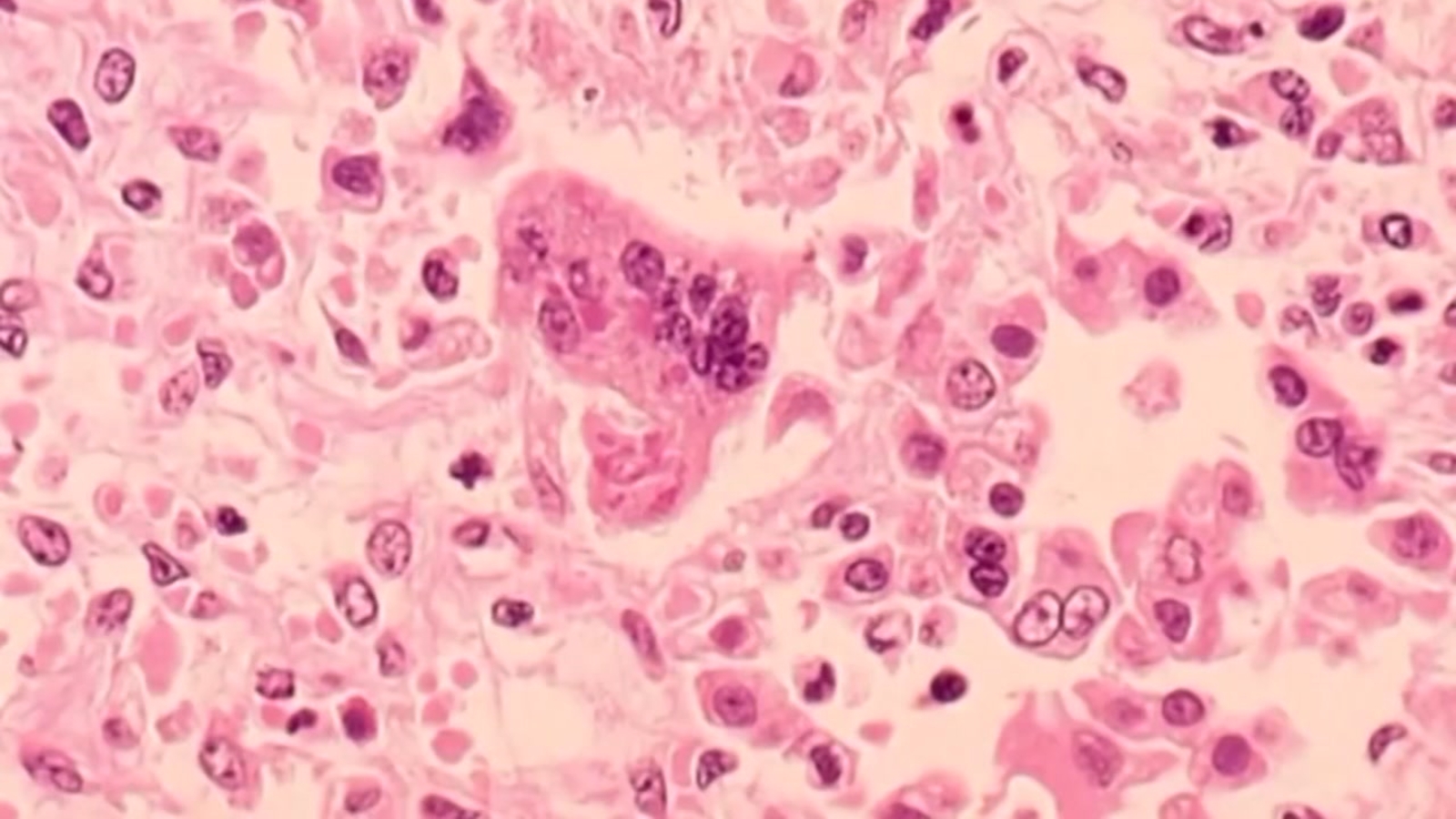
Measles in North Carolina: State reports 5th case linked to South Carolina surge