A company figures out how to move its book profits offshore so it can evade millions and even billions in taxes to the country where it really operates.
Lucy Komisar -- Inter Press Service
NEW YORK -- Last week, Merck, the pharmaceutical multinational, announced that it will pay 2.3 billion dollars in back taxes, interest and penalties in one of the largest settlements for tax evasion the U.S. Internal Revenue Service (IRS) has ever imposed.
Merck had cooked its tax books by moving ownership of its drug patents to its own Bermuda shell company -- an entity that has no real employees and does no real work -- and then deducting from U.S. taxes the huge royalties it paid itself. While setting up a shell company is not inherently illegal, it is if tax authorities determine that its only purpose is to evade taxes. Bermuda is a tax haven that has no levy on royalties.
Merck also faces legal action in Canada for 1.8 billion dollars in back taxes and interest.
What Merck did isn't unusual but in fact is becoming common for multinationals in the era of globalization. It's one of the ploys in a corporate bag of tricks called profit laundering. A company figures out how to move its book profits offshore so it can evade millions and even billions in taxes to the country where it really operates. In an era where much of a company's assets may be intangible intellectual property -- patents, logos, manufacturing processes -- this strategy can make reported profits and taxes disappear.
People understand that nations' economies are hurt when jobs move overseas. But what happens when intellectual capital, on which the increasingly knowledge-based economy depends, is also moved out?
IRS Commissioner Mark Everson said last June, "Tax issues associated with the transfer of intangibles outside the United States have been a high risk compliance concern for us and have seen a significant increase in recent years. Taxpayers, especially in the high technology and pharmaceutical industries, are shifting profits offshore."
The cost of manufacturing drugs or computer technology is minimal compared to the cost of research and development. So, beginning in the early 1990s, several dozen pharmaceutical and computer companies established subsidiaries in Bermuda and other tax havens to game the system.
more

www.malaymail.com/news/world/2026/01/11/bomb-attac…

BANGKOK, Jan 11 — A series of late-night bomb attacks targeted 11 PTT petrol stations in Thailand’s southern border provinces of Narathiwat, Pattani and Yala…
www.khaama.com/at-least-eight-refugees-die-37-resc…

At least eight refugees died and 37 were rescued when their boat sank off Badmeli near Izmir, Turkish authorities said on Saturday.
katu.com/news/local/oregon-confirms-first-measles-…

Health officials in Oregon have confirmed the state's first measles cases of 2026, with two people diagnosed in Linn County.
abc11.com/post/measles-north-carolina-state-report…
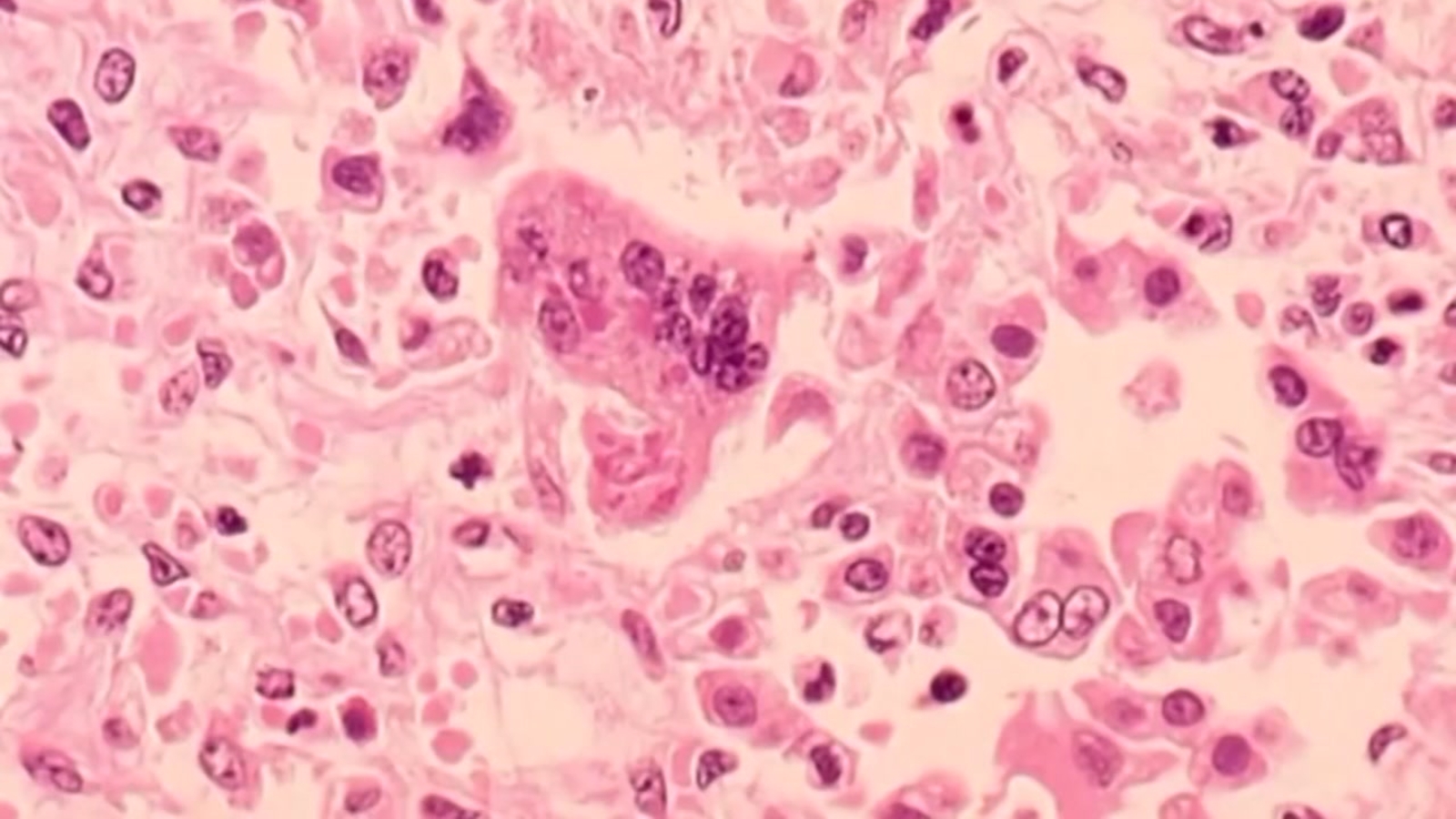
Measles in North Carolina: State reports 5th case linked to South Carolina surge