Still, as he drove in from his Connecticut home to the glass-sheathed Midtown Manhattan headquarters of Bear Stearns, Sam Molinaro wasn’t expecting trouble. Molinaro, 50, Bear’s popular chief financial officer, thought he could spot the first rays of daylight at the end of nine solid months of nonstop crisis. The nation’s fifth-largest investment bank, known for its notoriously freewheeling—some would say maverick—culture, Bear had pledged to fork over more than $3 billion the previous summer to bail out one of its two hedge funds that had bet heavily on subprime loans. At the time, rumors flew it would go bankrupt. Bear’s swashbuckling C.E.O., 74-year-old Jimmy Cayne, pilloried as a detached figure who played bridge and rounds of golf while his firm was in crisis, had been ousted in January. His replacement, an easygoing 58-year-old investment banker named Alan Schwartz, was down at the Breakers resort in Palm Beach that morning, rubbing elbows with News Corp.’s Rupert Murdoch and Viacom’s Sumner Redstone at Bear’s annual media conference.
It was an uneventful morning—at first. Molinaro sat in his sixth-floor corner office, overlooking Madison Avenue, catching up on paperwork after a week-long trip visiting European investors. Then, around 11, something happened. Exactly what, no one knows to this day. But Bear’s stock began to fall. It was then, questioning his trading desks downstairs, that Molinaro first heard the rumor: Bear was having liquidity troubles, Wall Street’s way of saying the firm was running out of money. Molinaro made a face. This was crazy. There was no liquidity problem. Bear had about $18 billion in cash reserves.
Yet the whiff of gossip Molinaro heard that morning was the first tiny ripple in what within hours would grow into a tidal wave of rumor and speculation that would crash down upon Bear Stearns and, in the span of one fateful week, destroy a firm that had thrived on Wall Street since its founding, in 1923.
more
Read More: Vanity Fair

www.malaymail.com/news/world/2026/01/11/bomb-attac…
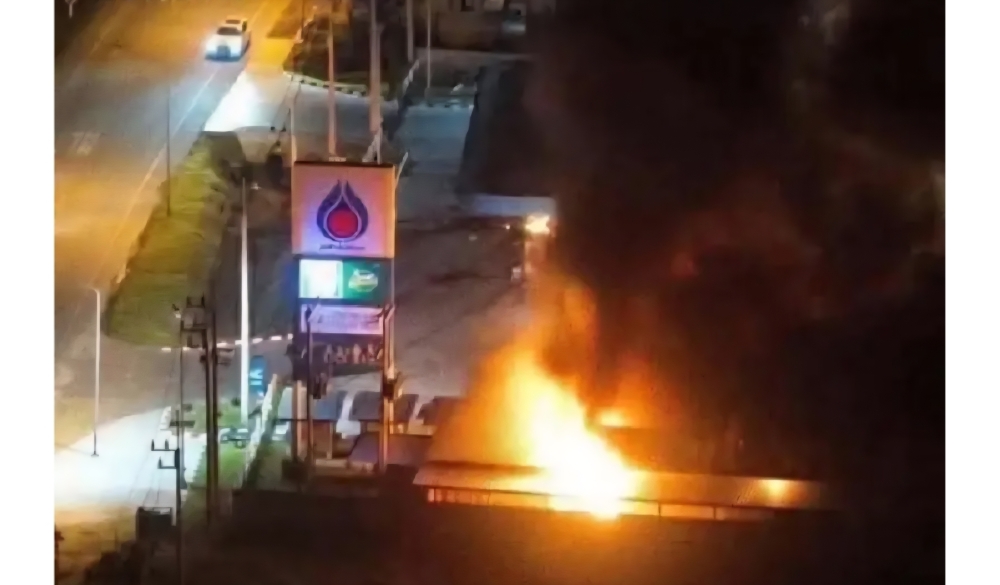
BANGKOK, Jan 11 — A series of late-night bomb attacks targeted 11 PTT petrol stations in Thailand’s southern border provinces of Narathiwat, Pattani and Yala…
www.khaama.com/at-least-eight-refugees-die-37-resc…

At least eight refugees died and 37 were rescued when their boat sank off Badmeli near Izmir, Turkish authorities said on Saturday.
katu.com/news/local/oregon-confirms-first-measles-…

Health officials in Oregon have confirmed the state's first measles cases of 2026, with two people diagnosed in Linn County.
abc11.com/post/measles-north-carolina-state-report…

Measles in North Carolina: State reports 5th case linked to South Carolina surge