Lest we forget, geological studies believe that twice in the distant past abrupt releases of mass quantities of methane from these submarine hydrates cause the worst extinctions this planet has ever seen.
Alaska And Fire-Ice
Charles E. Hill -- Technocrat.net
Feb. 21, 2007 -- Natural Gas, often in the form of Methane, is often found when drilling for oil. In the Arctic and deep (sub-300 meter) ocean, this "gas" is frequently found in a solid form called Methane Hydrates. Basically a frozen water/methane mix that looks like ice, but will burn. Until recently, when drilling for oil in the Arctic and hitting these hydrates, they sublimated to gas when the pressure was released or they were brought to the surface and needed to be flared off.
Recently BP-Amoco discovered how to bring these frozen fireballs to the surface intact. Samples are being sent to labs around the world for study.
In two areas off North and South Carolina, in the Atlantic, there are an estimated 1,300 trillion cubic feet of gas in both hydrate and traditional form. That is 70x more than the entire U.S. consumption in 1989 in just those two areas. While methane is considered 20x more powerful a greenhouse gas than CO2, it doesn't release SOx and NOx when burned and thus is considered much "cleaner."
Lest we forget, geological studies believe that twice in the distant past abrupt releases of mass quantities of methane from these submarine hydrates cause the worst extinctions this planet has ever seen. Ever since the discovery of these hydrates one of the big questions has been "can we mine them without triggering a disaster that makes the K-T event look mild by comparison"?

www.malaymail.com/news/world/2026/01/11/bomb-attac…
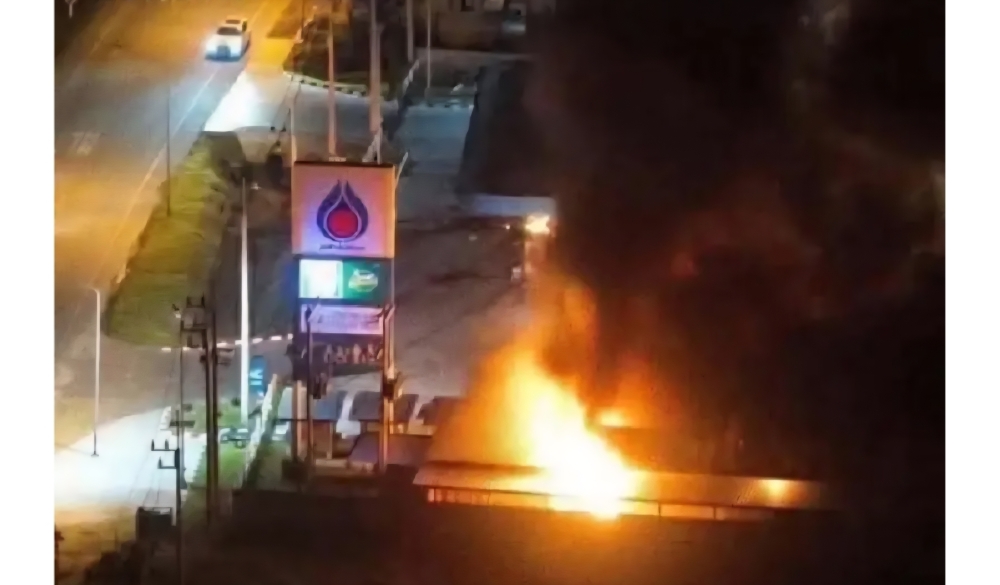
BANGKOK, Jan 11 — A series of late-night bomb attacks targeted 11 PTT petrol stations in Thailand’s southern border provinces of Narathiwat, Pattani and Yala…
www.khaama.com/at-least-eight-refugees-die-37-resc…

At least eight refugees died and 37 were rescued when their boat sank off Badmeli near Izmir, Turkish authorities said on Saturday.
katu.com/news/local/oregon-confirms-first-measles-…

Health officials in Oregon have confirmed the state's first measles cases of 2026, with two people diagnosed in Linn County.
abc11.com/post/measles-north-carolina-state-report…
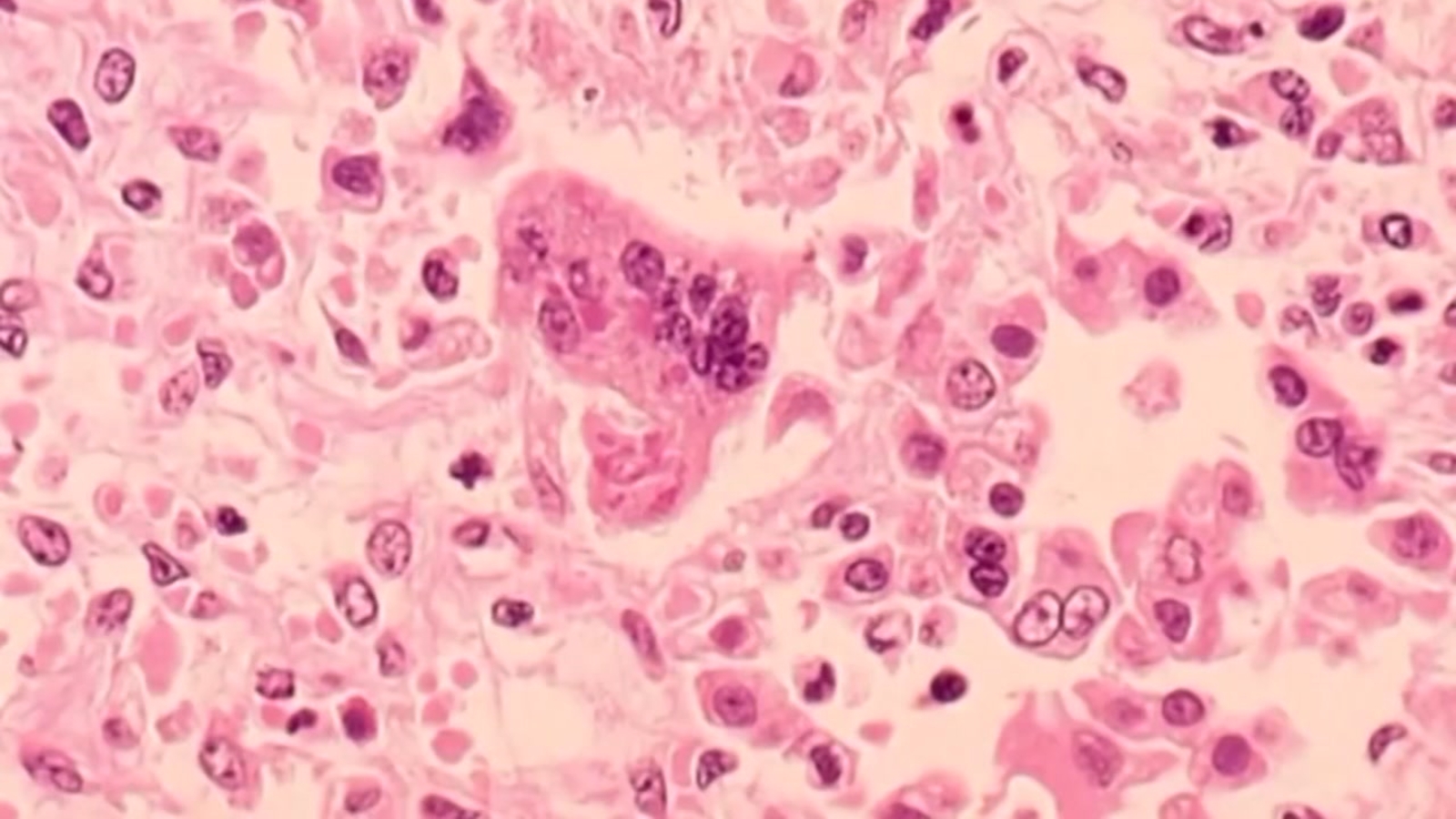
Measles in North Carolina: State reports 5th case linked to South Carolina surge